When it comes to government projects, “good enough” isn’t good enough.
Everything is scrutinized.
And when it comes to telecom infrastructure, the expectations are even higher—because these systems don’t just support operations…
They support public safety, communication, and critical services.
At All Day Cable, Inc., we’ve spent over three decades working within government environments, and we understand one thing clearly:
Success in public sector telecom isn’t just about installation—it’s about compliance, precision, and accountability.
Let’s break down what that really means.

Why Government Telecom Projects Are Different
Government projects operate under a completely different level of oversight than private sector work.
You’re dealing with:
Strict procurement requirements
Regulatory compliance
Detailed reporting expectations
Multi-layered approvals
Public accountability
And here’s what that means for telecom infrastructure:
There is no margin for error.
Core Compliance Standards You Must Meet
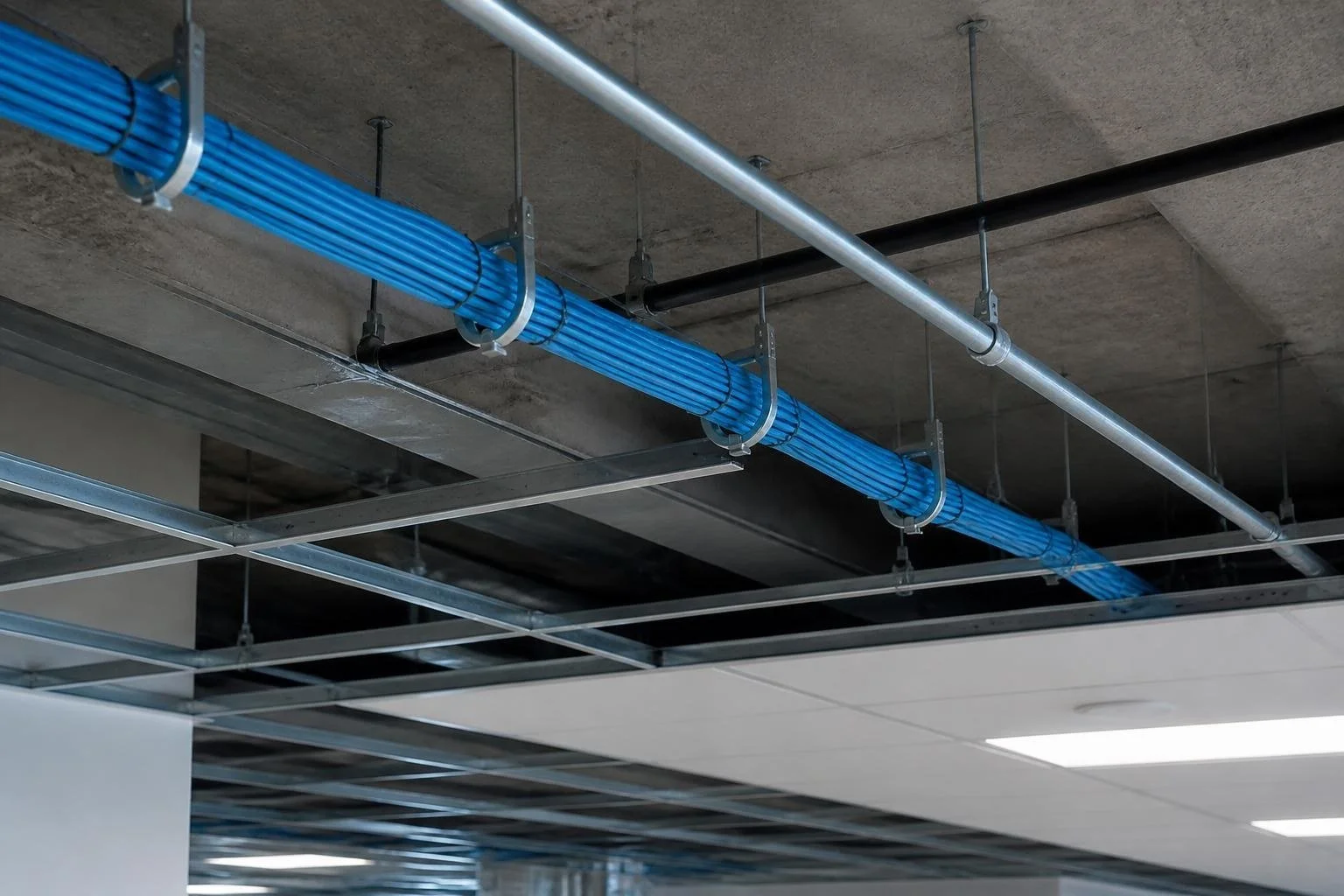
Let’s start with the foundation—because if these aren’t met, nothing else matters.
NEC (National Electrical Code)
Ensures safe installation of electrical and low-voltage systems.
Key considerations:
Proper cable routing and separation
Firestopping requirements
Grounding and bonding
TIA/EIA Standards
Defines performance and installation requirements for structured cabling.
Includes:
Cable category standards (CAT6, CAT6A, etc.)
Distance limitations
Testing and certification requirements
BICSI Best Practices
Guidelines for design, installation, and project management.
This ensures:
Professional-grade installation
Scalable infrastructure
Long-term performance
Local and State Codes
Often include:
Seismic requirements
Accessibility compliance
Environmental considerations
Missing even one of these can delay your project—or disqualify your bid.
Certifications That Strengthen Your Position
In government work, certifications aren’t optional—they’re differentiators.
At All Day Cable, Inc., we bring:
✔ Manufacturer certifications (CommScope, Corning, Systemax)
✔ BICSI-aligned installation practices
✔ Experience working within regulated environments
✔ Proven ability to meet strict compliance standards
And beyond technical certifications…
✔ Woman-owned, minority-owned business status
✔ Alignment with supplier diversity goals
These factors strengthen proposals and help prime contractors meet contract requirements.
Where Projects Go Wrong (And How to Avoid It)
Let’s talk about what actually causes issues in government telecom projects.
Incomplete or vague scope definitions
Leads to confusion, change orders, and delays
Underestimating compliance requirements
Results in failed inspections or rework
Poor documentation
Creates issues during audits and project closeout
Lack of coordination with other trades
Delays installation and impacts timelines
The solution? Work with a partner who understands the full lifecycle—not just installation.
Best Practices for Government Telecom Infrastructure
This is where successful projects separate themselves.
1. Define a Clear, Detailed Scope
Your scope should include:
Cable types and quantities
Device locations
Pathways and routing
Testing requirements
Documentation deliverables
The more clarity upfront, the fewer problems later.
2. Design for Redundancy and Reliability
Government systems often support critical operations.
We design:
Redundant fiber pathways
Failover-ready networks
Segmented systems for security
Because downtime isn’t just inconvenient—it’s unacceptable.
3. Prioritize Documentation and Testing
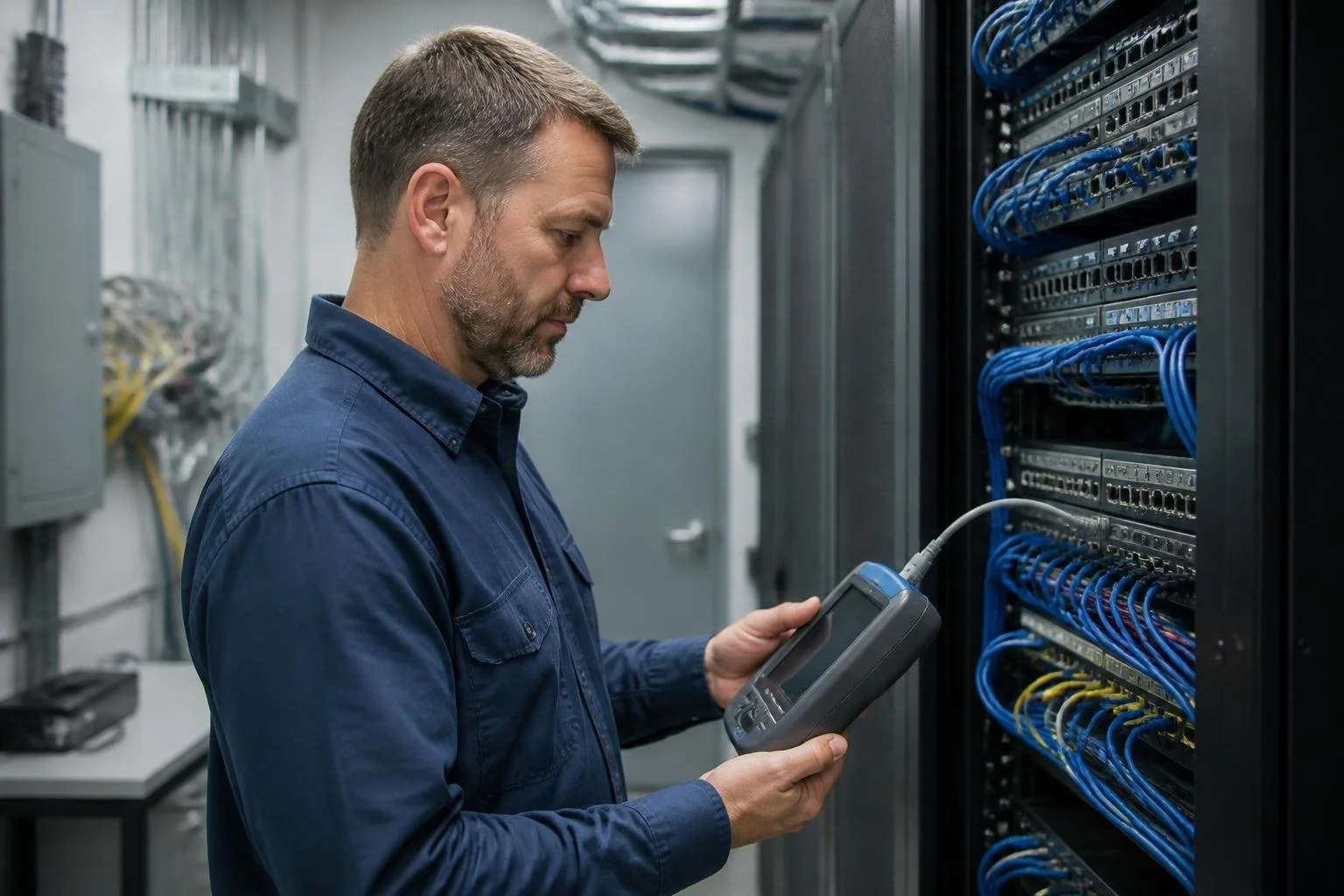
Government projects require full transparency.
We provide:
Certification test results
As-built drawings
Cable labeling and mapping
Closeout documentation packages
This ensures smooth inspections and long-term maintainability.
4. Coordinate Early and Often
Telecom doesn’t exist in isolation.
We work closely with:
General contractors
Electrical teams
IT departments
Security and AV integrators
This alignment prevents delays and ensures seamless execution.
Mission-Critical Environments Demand More
Government telecom infrastructure often supports:
Emergency Operations Centers (EOCs)
Public safety systems
Transportation networks
Utility infrastructure
Healthcare facilities
In these environments:
Performance is non-negotiable
Why All Day Cable, Inc. Is a Trusted Government Partner
We don’t just meet requirements—we exceed them.
With over 34 years of experience, we bring:
✔ Proven success in public sector projects
✔ Deep understanding of compliance and regulatory standards
✔ Clean, organized, and fully documented installations
✔ On-time, on-budget project delivery
✔ A reputation built on reliability and accountability
And most importantly…
✔ A team that understands what’s at stake in government work
Final Thought: In Government Work, Precision Is Everything
When you’re working on a government project, every decision matters.
Every cable.
Because at the end of the day…
You’re not just building infrastructure—you’re supporting systems people rely on.
Ready to Strengthen Your Next Government Project?
If you’re preparing a bid, planning a project, or looking for a telecom partner who understands government work inside and out…
📅 Schedule a consultation with All Day Cable, Inc.
Or download our Capability Statement to support your next RFP
Let’s build infrastructure that meets every standard—and exceeds every expectation.