Let me share something that most people don’t realize until it’s too late:
Projects are not won in the field. They’re won in the scope.
Before a single cable is pulled…
The outcome is already being shaped by one critical piece:
The telecom scope of work.
At All Day Cable, Inc., we’ve reviewed, responded to, and executed hundreds of scopes over the past 34+ years. And here’s what we’ve seen time and time again:
Weak scopes create confusion, delays, and costly change orders
If you’re a general contractor, project manager, or public agency, this guide will help you write telecom scopes that don’t just check a box…
They win projects.

Why Telecom Scopes Matter More Than You Think
The telecom scope is not just a technical document. It’s a risk management tool.
A well-written scope:
✔ Defines expectations clearly
✔ Aligns all trades
✔ Prevents misinterpretation
✔ Reduces change orders
✔ Protects your timeline and budget
A poorly written scope?
❌ Leaves gaps
❌ Creates assumptions
❌ Leads to disputes
❌ Increases project risk
The difference shows up in your results.
The Most Common Mistakes in Telecom Scopes
Let’s start with what not to do, because these mistakes happen far too often.
1. Vague Language
Phrases like:
“Install data cabling as needed.”
“Provide network infrastructure.”
These create interpretation gaps, and those gaps turn into costs.
2. Missing Quantities
Without clear counts, bidders must guess:
Number of drops
Cable lengths
Equipment requirements
Guessing leads to inconsistent bids, and potential disputes later.
3. No Defined Standards
If you don’t specify standards, you risk:
Inconsistent installation quality
Non-compliant work
Failed inspections
4. Ignoring Future Needs
Designing only for today leads to:
Early obsolescence
Expensive upgrades
Limited scalability
These issues don’t just affect installation. They also affect your ability to win and deliver projects successfully.
The Anatomy of a Winning Telecom Scope
Now let’s talk about what works.
1. Clear Scope Definition
Start with a precise description of the work:
Structured cabling (voice/data/fiber)
Security system infrastructure
AV and network support systems
Backbone and horizontal cabling
Be specific about what’s included, and what’s not.
2. Detailed Quantities and Locations
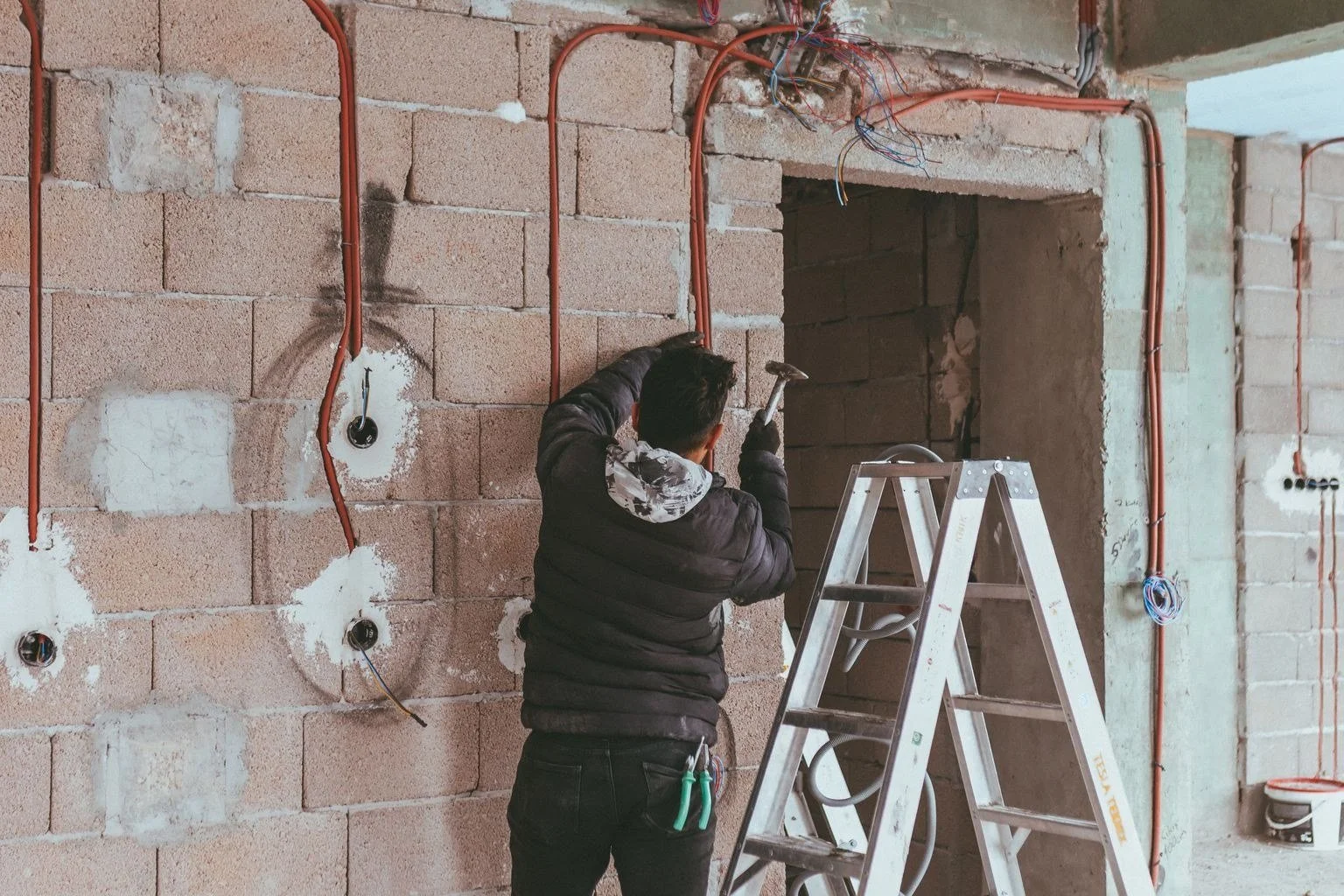
Your scope should clearly define:
Number of data drops
Cable types (CAT6, CAT6A, fiber, etc.)
Device locations
MDF/IDF requirements
Pathways and conduit expectations
The more detail you provide, the more accurate, and competitive, the bids will be.
3. Defined Standards and Compliance Requirements
Include all required standards:
TIA/EIA
NEC
BICSI best practices
Local and state codes
Project-specific specifications
This ensures consistency and protects quality across all bidders.
4. Performance and Testing Requirements
Don’t just specify installation: specify performance.
Include:
Certification testing (Fluke or equivalent)
Bandwidth requirements
Labeling standards
Documentation expectations
This ensures the system performs, not just exists.
5. Documentation and Closeout Requirements
Government and enterprise projects require full transparency.
Define:
As-built drawings
Cable schedules
Test results
Labeling conventions
This protects your project during audits and turnover.
6. Coordination Expectations
Telecom must align with other trades.
Specify coordination with:
Electrical contractors
HVAC teams
Security and AV integrators
IT departments
This prevents conflicts and keeps your schedule intact.
Writing Scopes for Government Projects

If you’re working in the public sector, your scope must go even further.
Include:
✔ Compliance with prevailing wage and DIR requirements
✔ Supplier diversity considerations
✔ Safety and security protocols
✔ Detailed reporting expectations
✔ Inspection and approval processes
Government scopes must be airtight, because accountability is built into the process.
The Strategic Advantage: Better Scopes = Better Bids
Here’s what happens when your scope is written correctly:
✔ Bidders understand exactly what’s required
✔ Pricing becomes more consistent and competitive
✔ Risk is reduced across the board
✔ Projects run smoother from start to finish
✔ You attract higher-quality contractors
In other words, you don’t just get bids. You get the right bids.
Why Contractors Love Working from Strong Scopes
Let me give you a perspective most people don’t hear.
When contractors see a well-written telecom scope, they immediately know:
This project is organized
And that changes everything.
It leads to:
More competitive pricing
Better collaboration
Stronger project outcomes
How All Day Cable, Inc. Supports Scope Development
This is where we bring real value, before installation even begins.
We help clients:
✔ Review and refine telecom scopes
✔ Identify gaps and risk areas
✔ Align scope with real-world installation needs
✔ Ensure compliance with industry standards
✔ Strengthen RFPs and bid packages
Because when your scope is strong…
Your entire project is stronger.
Final Thought: The Scope Sets the Standard
I want you to think about this for a moment.
Before your project starts…
The scope defines everything.
And when it’s done right?
Everything else becomes easier.
Ready to Strengthen Your Next Scope, and Win Better Bids?
If you’re preparing an RFP, reviewing a project scope, or want to ensure your next project starts on the right foundation…
📅 Schedule a consultation with All Day Cable, Inc.
Or download our Capability Statement to support your next bid package
Let’s build clarity from the start, so your project runs exactly as it should.