Choosing the Right Cabling for High-EMI Environments: A Field-Proven Guide
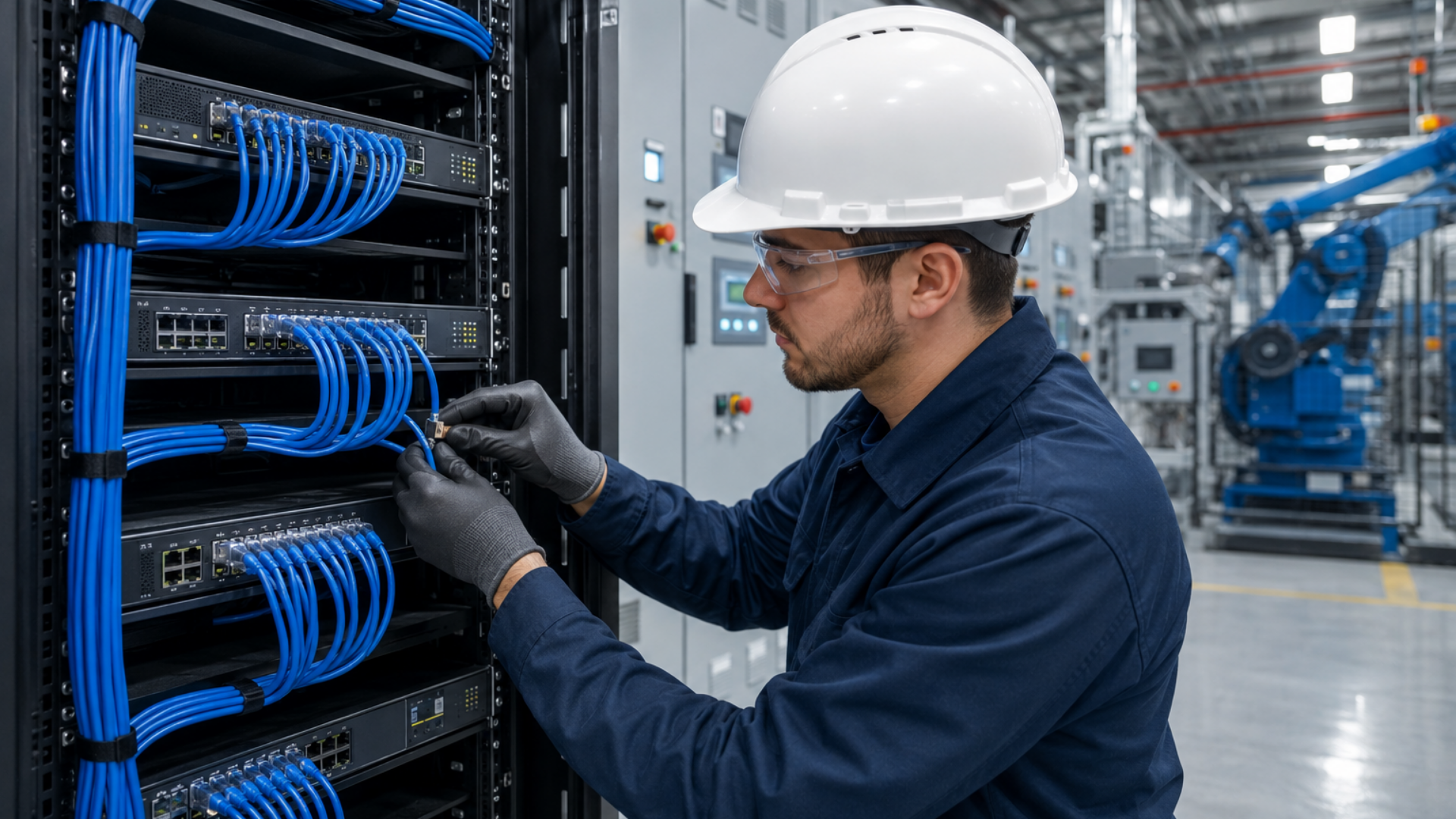
When it comes to telecom installations, not all environments are created equal. In high-electromagnetic interference (EMI) areas—like manufacturing plants, hospitals, airports, data centers, and transportation hubs—the wrong cabling choice can compromise everything from VoIP call quality to security systems and critical data transmission.
At All Day Cable, Inc., we’ve completed complex installations in some of the most demanding EMI-heavy environments. And here’s what we’ve learned: the right cabling doesn’t just prevent signal interference—it ensures long-term performance, safety, and compliance.
This blog is your field-tested guide to selecting, installing, and maintaining cabling solutions that hold strong in the presence of powerful EMI sources.
First Things First: What Is EMI?
Electromagnetic Interference (EMI) is a disruption of signal transmission caused by external electromagnetic fields. In high-tech or industrial facilities, these sources may include:
Electrical panels and high-voltage equipment
Motors and HVAC systems
Fluorescent lighting ballasts
MRI machines and X-ray equipment
Radio towers or antennas
Wireless communication hubs
When EMI is present, it can distort signals, cause packet loss, reduce bandwidth, or even bring your network down.
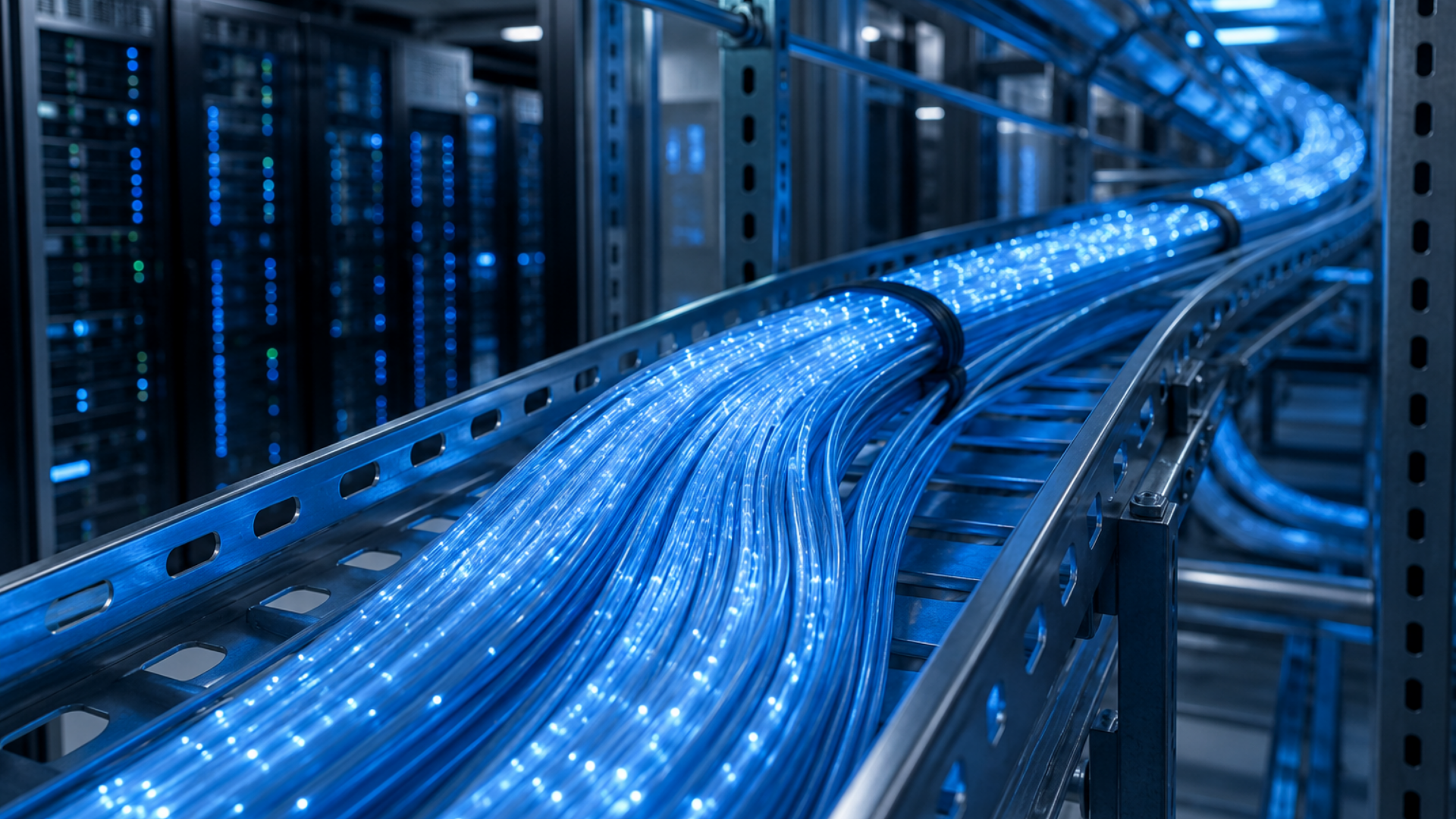
Choosing the Right Cabling in High-EMI Zones
✅ 1. Shielded Twisted Pair (STP) Cabling
Shielded cabling has a metallic barrier (foil or braided shielding) around the twisted pairs that:
Reduces external interference
Protects against internal crosstalk
Enhances signal clarity in high-noise areas
Common shielded variants include:
FTP (Foiled Twisted Pair) – Individual pairs are shielded
STP (Shielded Twisted Pair) – Overall shield protects all pairs
S/FTP (Screened Foiled Twisted Pair) – Combines individual and overall shielding for max protection
At All Day Cable, Inc., we recommend CAT6A S/FTP in environments with industrial or medical-grade EMI risk.
✅ 2. Fiber Optic Cabling
Unlike copper, fiber optics are immune to EMI because they use light rather than electrical signals.
Fiber is ideal for:
Backbone infrastructure in EMI-rich facilities
Long-distance transmission across campuses or floors
Security-sensitive systems like access control and surveillance
High-speed data applications in laboratories, financial hubs, or data centers
We often use a hybrid approach, combining fiber for the backbone and shielded copper for endpoint devices.
✅ 3. Grounding and Bonding
Even the best cable is ineffective if it isn’t grounded properly. We install:
Grounded racks and patch panels
Bonded cable shields per TIA-607 standards
Isolated grounding paths to prevent feedback
Proper grounding is the unsung hero of EMI mitigation.
Installation Techniques That Make the Difference
Route Planning
We avoid running cabling parallel to high-voltage lines
We use separate conduit paths for data and power
In shared pathways, we use metallic conduit to reduce exposure
Separation Rules
Maintain at least 12 inches of clearance from fluorescent lights
Keep cabling 24 inches from motors or industrial machinery
Ensure proper bend radius and slack management to prevent signal loss
Enclosures and Pathways
Use metallic cable trays or EMI-rated raceways for additional protection
Secure access points to prevent tampering in sensitive environments
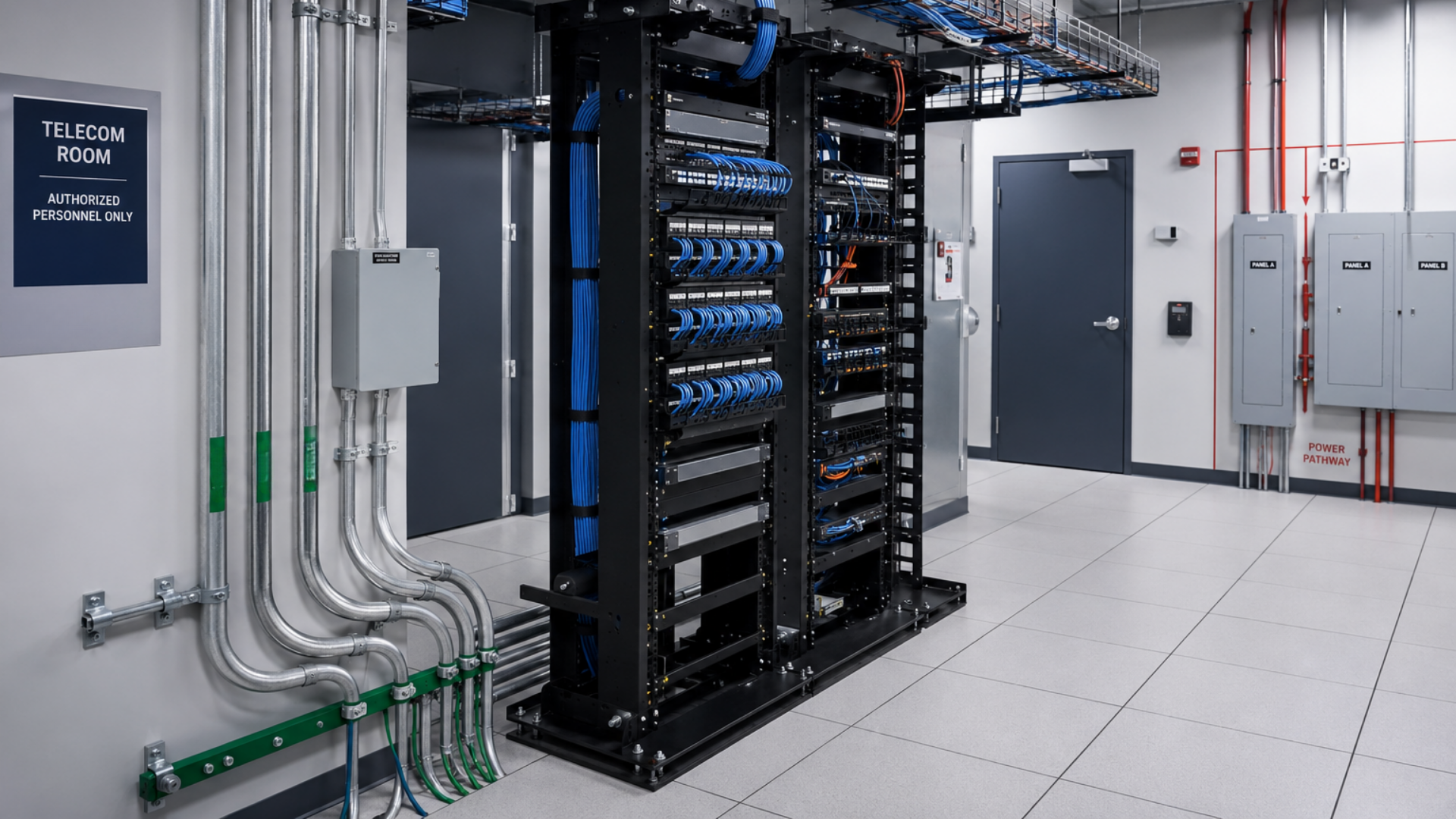
Real-World Example: Cabling a Robotics Manufacturing Plant
We were contracted to install a structured cabling system for a facility using:
High-torque motors
CNC machinery
Large transformer rooms
Automated guided vehicles (AGVs)
Our solution:
Installed S/FTP CAT6A cabling in all production zones
Used fiber to link server rooms and control hubs
Designed separate data and power paths with EMI-compliant trays
Grounded all cable shields and racks to a central earth point
Fully labeled and documented the layout for future expansions
The result: Zero interference, 10 G-ready performance, and a clean infrastructure that withstands constant electrical activity.
Industries That Need EMI-Resistant Cabling
High-EMI environments are more common than you think. We recommend special cabling in:
Manufacturing and industrial plants
Hospitals and medical labs
Transportation hubs (airports, train stations)
Power plants and utility facilities
Data centers and broadcast stations
Military and government operations
If your building houses large equipment, sensitive medical gear, or constant electrical activity—your cables are at risk.
Why All Day Cable, Inc. Is the Go-To for EMI-Heavy Environments
Over 34 years of experience with complex infrastructure
Certified in fiber optics, shielded copper, PoE, and smart systems
Proven success in industrial, government, and healthcare settings
Meticulous planning, routing, and labeling
Compliance with TIA/EIA, NEC, BICSI, and manufacturer standards
We understand how to design, install, and maintain infrastructure that works—even when the environment is working against it.
Need Help With EMI-Safe Cabling?
Whether you're upgrading a facility, building new, or troubleshooting interference, All Day Cable, Inc. has the expertise to protect your infrastructure from hidden threats.
👉 Contact us todayto schedule a high-EMI site assessment or consultation.
We’ll help you design a system that performs flawlessly—even in the most electrically demanding environments.